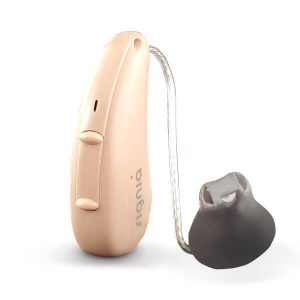
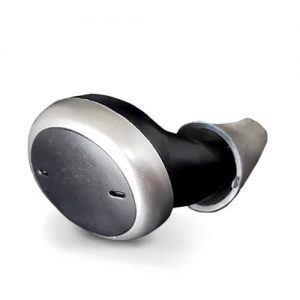
Phonak microSavia Hearing Aids
Ready to purchase or have questions? Call 1-800-301-3137
-
Brings outstanding performance, elegant design, long battery life and cutting-edge performance and features. Its automatic features make it easy to adapt to changing listening environments.
The microSavia hearing aid has more innovations to help you hear naturally. It produces sound that your brain can process better. It gives you back the ability to detect from which direction sound is coming.
-
Phonak microSavia at a Glance:
-
- Mild to Severe hearing loss
- Voice amplification plus natural sound
- Better hearing when there is background noise, or under any circumstances
- Device changes automatically to fit the level of background noise
- A feather-light device that is nearly invisible
-
For more technical and lifestyle information about hearing aids click here to view our General Information page.
Specifications
|
Digital
The two most common technologies used in hearing aids are analog and digital. Digital is newer and considered to be much more flexible, capable of doing more operations, and the only technology used in modern hearing aids. |
Yes |
|---|---|
| Open Fit Type | Call for Info. |
|
Channels
Human speech ranges in frequencies roughly from 250 to 6000 Hz. Hearing aids are built so that this group of frequencies (250 to 6000 Hz) is divided into smaller groups, called bands or channels. |
20 |
|
Memories
Multiple memory settings can be programmed into the aid to give the user the ability to cope with changing sound and noise environments with the push of a button. |
5 |
| Technology Level | Call for Info. |
|
Volume Control
Volume control is generally considered to be a manual adjustment that the user can control. All hearing aids have automatic gain control designed to make soft sounds audible and loud sounds tolerable. This is done automatically within limits programmed into the device. |
Available with Remote |
|
On-Board Control Type
Controls on hearing aids usually have one or more of: 1. A momentary button used to change from one memory to the next 2. A button used to increase the level of volume 3. A rocker switch where pushing on one end does one function while the other end does another function 4. A wheel that will control volume |
Call for Info. |
|
Remote Control Available
Remote controls for hearing aids are small enough to comfortably fit in a pocket. A remote control will enable more functions than can be put on a hearing aid itself. |
Yes |
|
Directional Microphones
Microphones are the electronic component that picks up sound. Microphones are very small and can be made to pick up more sound in one direction than all others. This is called a directional microphone. |
Yes |
|
Noise Reduction
Technology to separate voices from other sounds is continuously being improved. Each manufacturer has a patented process and trademarked name for noise reduction. |
Yes |
|
Sudden Noise Protection
This feature helps make hearing aids acoustically comfortable by dampening sudden loud noises, such as a dropped dish. |
No |
|
Wind Noise Protection
Wind noise is an important feature for those that spend time in the outdoors by reducing the roar of wind across the microphone. This feature is improving but is not effective in gusty wind conditions. |
Call for Info. |
|
Feedback Management
Acoustic Feedback, is also known as squealing, buzzing, 'your aids are talking to you', etc. |
Yes |
|
Telecoil
Telecoils help with telephones that are rated hearing aid compatible. |
No |
|
Aid-to-Aid Communication
Communication from one hearing aid to the other is a very low strength signal designed to keep both hearing aids operating in the same mode at the same volume. |
No |
|
Bluetooth Capable
Being able to couple your hearing aids with a BlueTooth-enabled device, such as a cell phone, allows phone conversations to be heard through your hearing aids. |
Yes |
|
Direct Audio Input (DAI)
DAI is only on Large and Full Size hearing aids due to the need for terminals on the outside of the case. Using DAI allows other devices to connect directly to the hearing aids and input their audio signal. |
No |
|
Battery Size/Color
Conventional Hearing Aid Batteries cost less than a dollar per battery and are very easy to change. |
312 (Brown) |
| Warranty | 3 years |
| Loss/Damage Warranty | 1 year |
Features
- Innovative Sound Features
-
- AutoFocus
- digital SurroundZoom
- Bionic Perception Processing (BPP)
- Real Ear Sound
- Noise Reduction Features
-
- SoundCleaning
- SoundRelax
- EchoBlock
- Feedback Phase Inverter
- High Resolution Noise Canceler
- Wind Noise Management
- User Friendly Features
-
- AutoPilot
- DataLoggingplus
- EasyPhone
- EasyFM
- Battery
-
- Zinc Air Size 312 Brown
- 10-11 day battery life
- Options
-
- WatchPilot2
- SoundPilot2
- KeyPilot2
- Choice of 7 Colors
- Warranty
-
- 2-year parts and labor manufacturer warranty
- 45-day precisehearing.com money back guarantee
Precise Review
Our Rating
-
- Physical Fit 4
- Size 4
- Tubes 5
- Domes 5
-
- Features 4
- Ergonomics 5
-
- Sound 5
- Noise Reduction 4
- Feedback Reduction 4
Special Features
The Phonak microSavia is totally automatic, great for those that want a hearing aid that is truly, 'Put it on and forget about it.'
Phonak offers three models of optional remote controls for anyone who feels some manual override of the automatic switching would be a benefit.
Comments, Pros & Cons
Phonak recently updated the microSavia to the microSavia ART and microSavia ART CRT (Canal Resonance Technology). These models improve how microSavia determines which program is the best available for a given sound environment. The difference between the two is how the sound is delivered. The microSavia ART delivers sound through a 1 mm tube while the microSavia ART CRT has the speaker in the ear very close to the ear drum. More choices for a state of the art hearing aid technology.
Pros: MicroSavia changes programs to consistently keep the user in an optimal program for their sound environment.
Cons: Mainly in the price arena. The microSavia ART and the microSavia ART CRT are both right at the top of the price range for open ear hearing aids.
Fitting the instrument is more challenging due to the “receiver-in-the-canal”
Continuing maintenance of the receiver-in-the-ear tubes and domes.