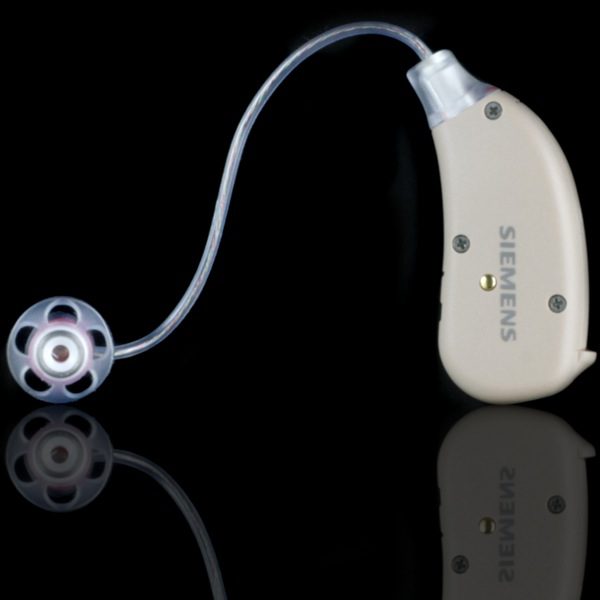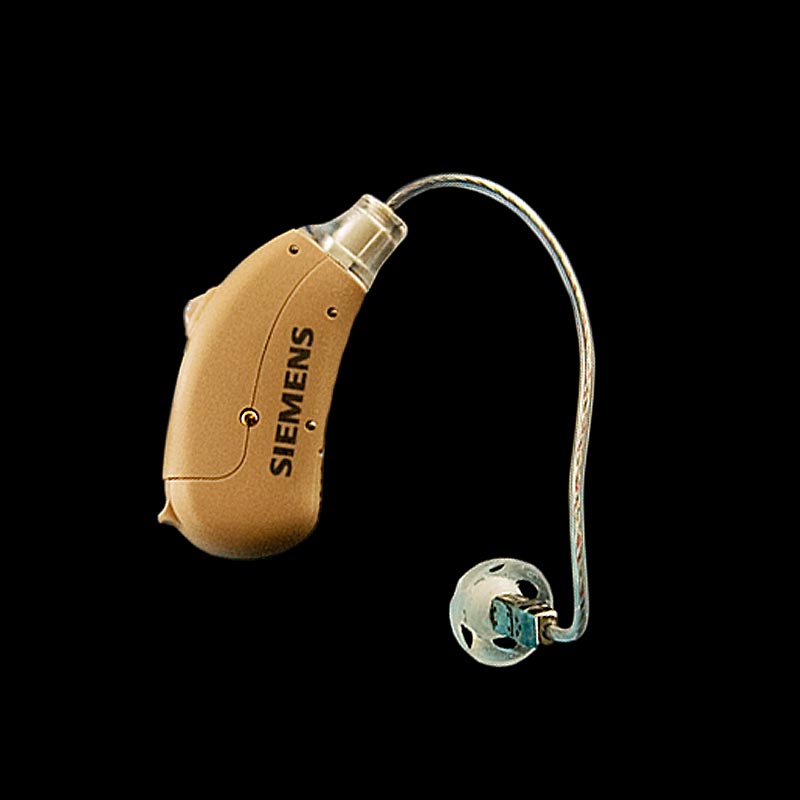
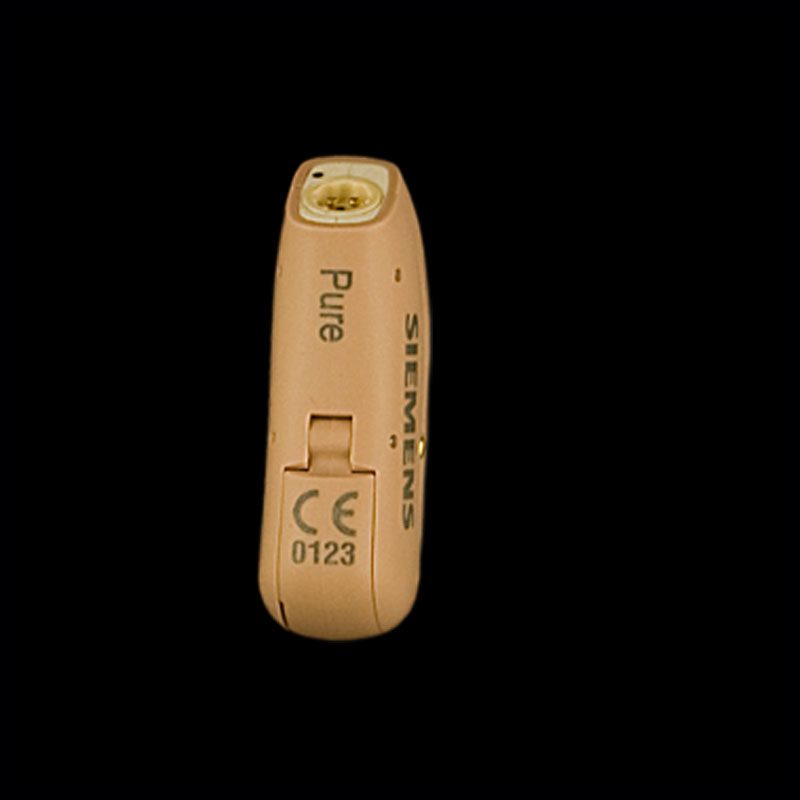
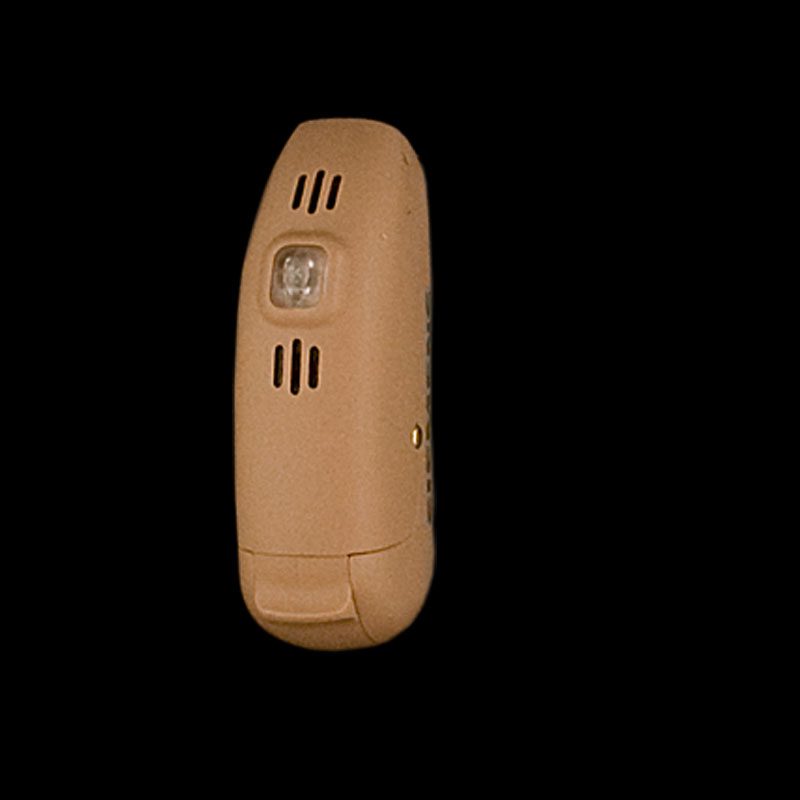
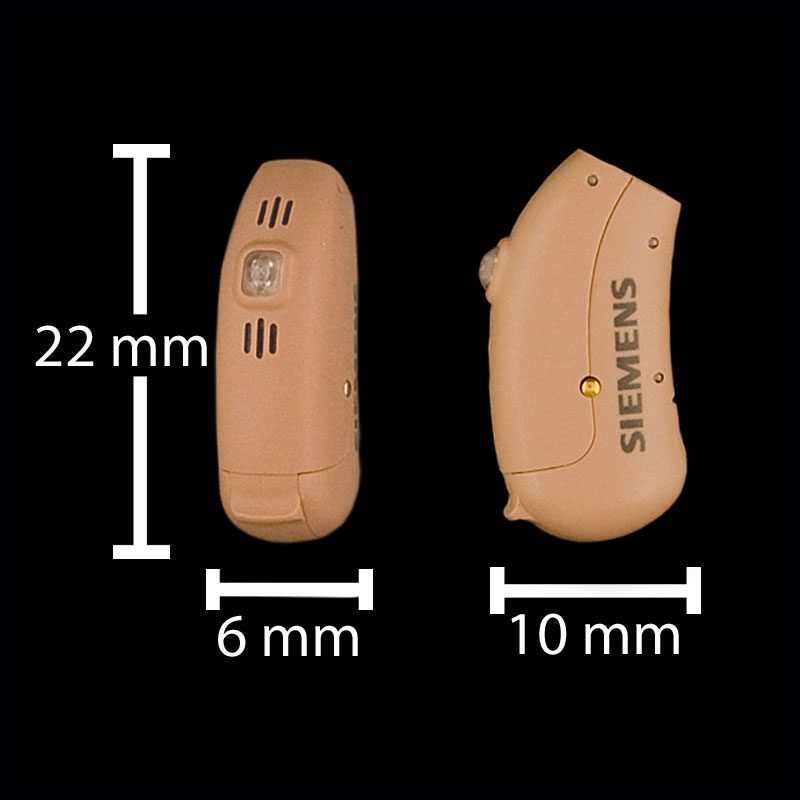
Siemens Pure Hearing Aids
Pure Hearing Aids by Siemens
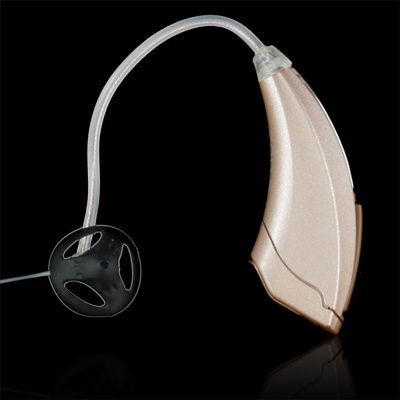
Look through these pages and tabs for information, improvements and features you can expect from the Pure Series of Receiver-in-Canal (RIC) Open Ear hearing aids. You can find a detailed feature comparison in the Features tab above. After looking through all of the options, you can use the drop down boxes above to order the Pure model of your choice, select a color and an optional remote control.
Models
-
See the table below for the features available for each model in this series.
| Siemens Pure 700 | Siemens Pure 500 | Siemens Pure 300 | |
|---|---|---|---|
|
|
|
|
| Price | Discontinued | Discontinued | Discontinued |
|
Digital
The two most common technologies used in hearing aids are analog and digital. Digital is newer and considered to be much more flexible, capable of doing more operations, and the only technology used in modern hearing aids. |
Yes | Yes | Yes |
| Open Fit Type | Call for Info. | Call for Info. | RIC / CRT |
|
Channels
Human speech ranges in frequencies roughly from 250 to 6000 Hz. Hearing aids are built so that this group of frequencies (250 to 6000 Hz) is divided into smaller groups, called bands or channels. |
16 | 8 | 6 |
|
Memories
Multiple memory settings can be programmed into the aid to give the user the ability to cope with changing sound and noise environments with the push of a button. |
5 | 5 | 5 |
| Technology Level | Call for Info. | Call for Info. | Call for Info. |
|
Volume Control
Volume control is generally considered to be a manual adjustment that the user can control. All hearing aids have automatic gain control designed to make soft sounds audible and loud sounds tolerable. This is done automatically within limits programmed into the device. |
Available with Remote | Available with Remote | Available with Remote |
|
On-Board Control Type
Controls on hearing aids usually have one or more of: 1. A momentary button used to change from one memory to the next 2. A button used to increase the level of volume 3. A rocker switch where pushing on one end does one function while the other end does another function 4. A wheel that will control volume |
Call for Info. | Call for Info. | Call for Info. |
|
Remote Control Available
Remote controls for hearing aids are small enough to comfortably fit in a pocket. A remote control will enable more functions than can be put on a hearing aid itself. |
Yes | Yes | Yes |
|
Directional Microphones
Microphones are the electronic component that picks up sound. Microphones are very small and can be made to pick up more sound in one direction than all others. This is called a directional microphone. |
Yes | Yes | Yes |
|
Noise Reduction
Technology to separate voices from other sounds is continuously being improved. Each manufacturer has a patented process and trademarked name for noise reduction. |
Yes | Yes | Yes |
|
Sudden Noise Protection
This feature helps make hearing aids acoustically comfortable by dampening sudden loud noises, such as a dropped dish. |
Yes | Yes | Yes |
|
Wind Noise Protection
Wind noise is an important feature for those that spend time in the outdoors by reducing the roar of wind across the microphone. This feature is improving but is not effective in gusty wind conditions. |
Yes | Yes | Yes |
|
Feedback Management
Acoustic Feedback, is also known as squealing, buzzing, 'your aids are talking to you', etc. |
Yes | Yes | Yes |
|
Telecoil
Telecoils help with telephones that are rated hearing aid compatible. |
No | Call for Info. | No |
|
Aid-to-Aid Communication
Communication from one hearing aid to the other is a very low strength signal designed to keep both hearing aids operating in the same mode at the same volume. |
Yes | Yes | Yes |
|
Bluetooth Capable
Being able to couple your hearing aids with a BlueTooth-enabled device, such as a cell phone, allows phone conversations to be heard through your hearing aids. |
Yes | Yes | Yes |
|
Direct Audio Input (DAI)
DAI is only on Large and Full Size hearing aids due to the need for terminals on the outside of the case. Using DAI allows other devices to connect directly to the hearing aids and input their audio signal. |
No | No | No |
|
Battery Size/Color
Conventional Hearing Aid Batteries cost less than a dollar per battery and are very easy to change. |
312 (Brown) | 312 (Brown) | 312 (Brown) |
| Warranty | 2 years | 2 years | 2 years |
| Loss/Damage Warranty | 2 years | 2 years | 2 years |
| Order Now | Order Now | Order Now |
Precise Review
Pure Hearing Aids by Siemens
Siemens Pure RIC open ear hearing aids in both 500 and 700 models offer people with hearing loss one of the hearing aid industry’s best choices for great performance along with a comfortable, discreet fit. Pure 300 expands the line with an economy price point.
With the Tek remote, a new world of sound opens for those of us with hearing impairment. Imagine having phone conversations and/or music wirelessly transmitted to both hearing aids and then corrected for our individual hearing losses before being re-produced very close to your eardrum, it’s like prescription Hi-Fi headphones.
If you have trouble on the phone or love music, Siemens Pure open ear hearing aids with an optional Tek Control remote are the answer.